Treatments & surgeryLiver, bile duct and pancreas – explained in plain language.
Dr. Vibha Varma is a liver transplant and hepato-pancreato-biliary (HPB) surgeon at Lilavati Hospital, Mumbai, with 25 years of practice. Below is every condition and operation she treats, with a short explanation of each. Select a topic to jump to it.
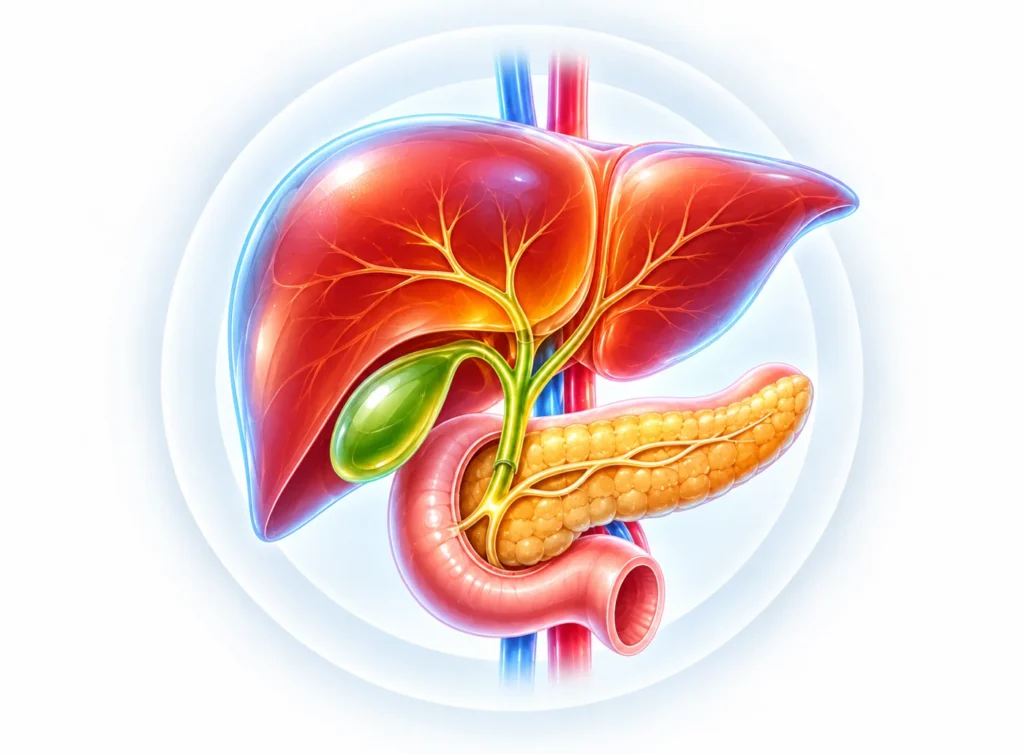
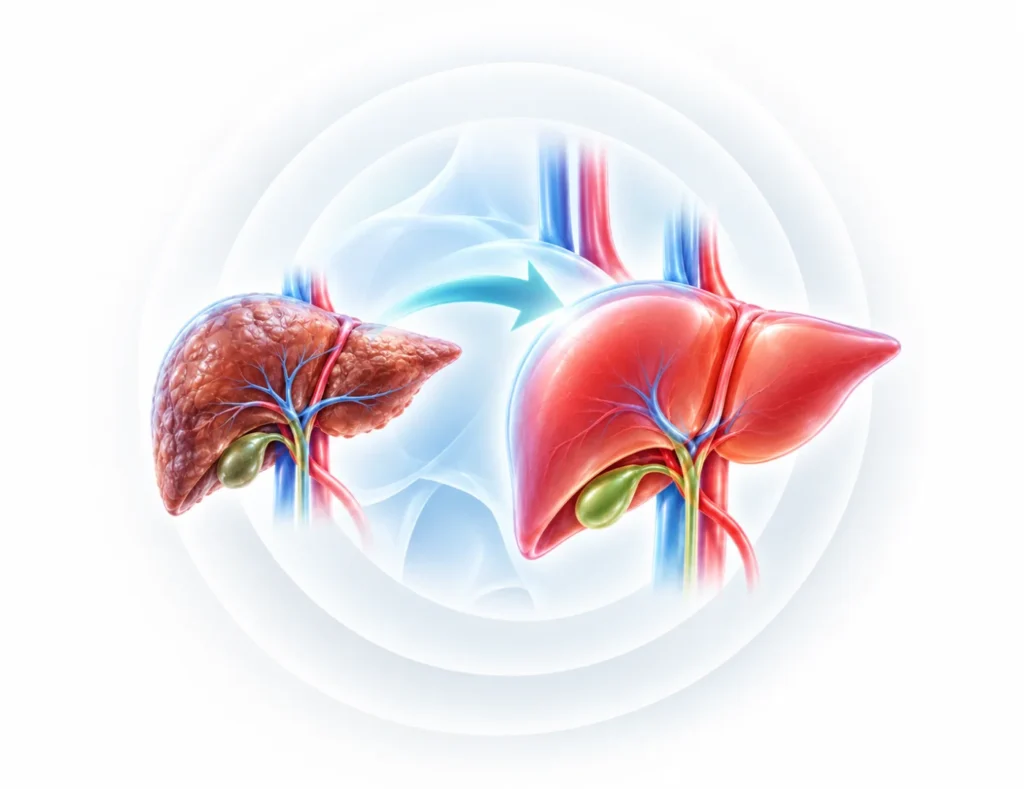
Liver transplant surgery
Replacing a failing liver with a healthy one – from a living family donor or a deceased donor – for adults and children.
Liver transplant guide →- Chronic liver disease (cirrhosis)Long-standing liver damage that leads to jaundice, fluid build-up, bleeding or confusion despite medical treatment.
- Acute liver failureSudden loss of liver function in a previously healthy person – often after viral hepatitis or a medicine reaction.
- Living donor liver transplantA healthy adult relative donates part of their liver. Both the donor’s liver and the transplanted part grow back towards normal size.
- Deceased donor liver transplantA whole or split liver from an organ donor, allocated through the state transplant registry.
- Emergency liver transplant for acute liver failureUrgent (“super-urgent”) transplantation when the liver is failing within days.
- Adult liver transplantFor adults with end-stage liver disease or selected liver cancers.
- Paediatric liver transplantFor children – for example with biliary atresia – usually using part of a parent’s liver.
- ABO-incompatible (ABOi) liver transplantTransplant across different blood groups, using special preparation of the recipient before surgery.
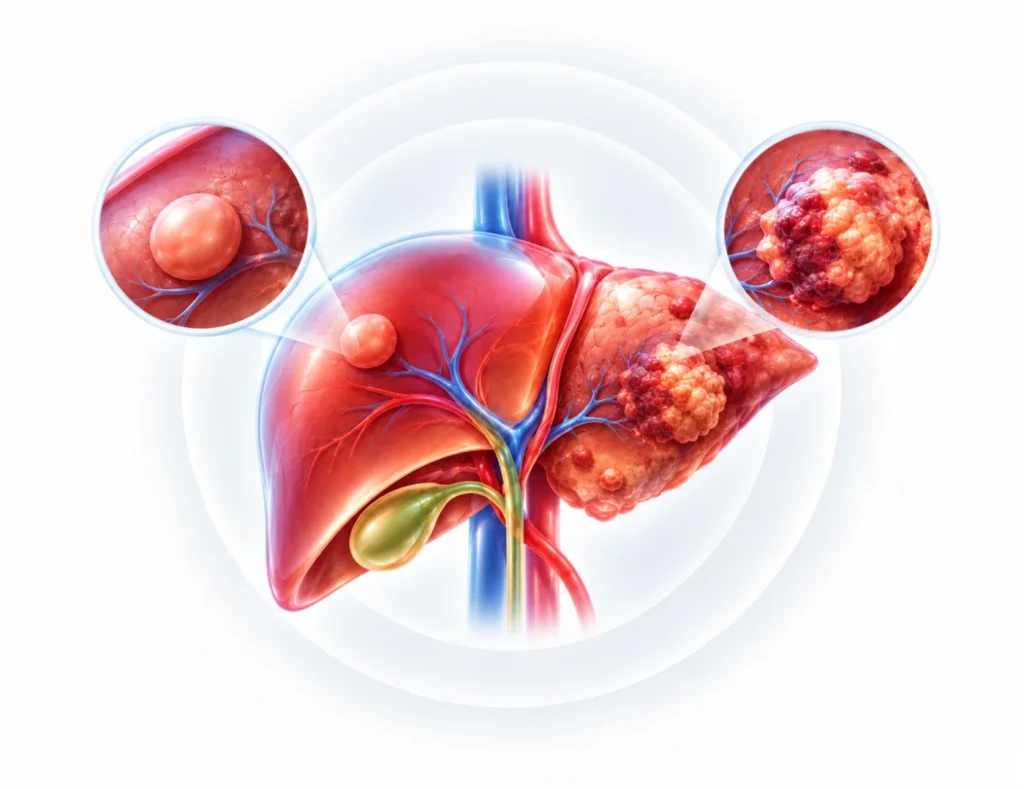
Benign & malignant diseases of the liver
Lumps and growths in the liver – some harmless, some cancerous. Many can be removed surgically; a few are best treated with a transplant.
HPB surgery guide →- Biliary cystadenomaA fluid-filled growth arising from the bile duct lining, usually removed because it can turn cancerous.
- HaemangiomaThe most common benign liver lump, made of blood vessels. Surgery is needed only if it is large or causing symptoms.
- Hydatid cystA cyst caused by a tapeworm infection (Echinococcus), often treated with surgery along with medicines.
- Hepatocellular carcinoma (HCC)The main primary liver cancer, usually arising in a cirrhotic liver. Selected patients are treated by liver resection or transplant.
- HepatoblastomaA liver cancer of young children, treated with chemotherapy and surgery.
- CholangiocarcinomaCancer of the bile ducts, inside or outside the liver.
- Colorectal liver metastasesBowel cancer that has spread to the liver. Removing the liver deposits can give long-term control in selected patients.
- Neuroendocrine tumourSlow-growing, hormone-producing tumours that may spread to the liver.
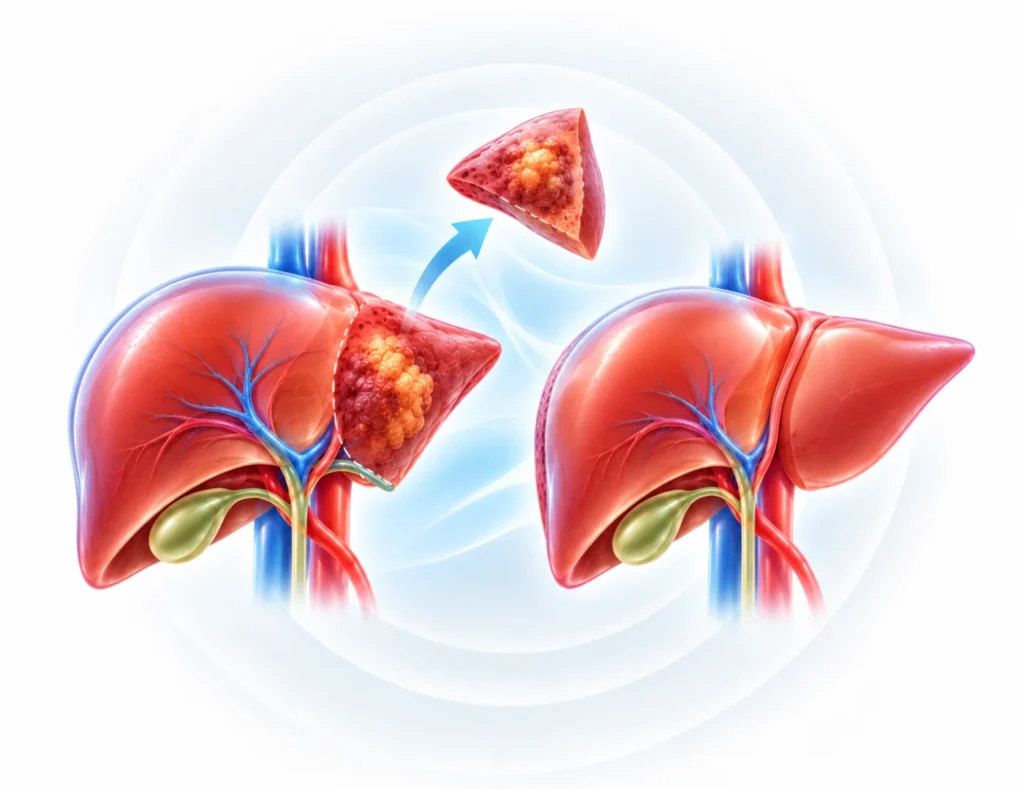
Complex liver surgery
Removing part of the liver safely depends on leaving enough healthy liver behind, so every operation starts with detailed scans and liver-volume planning.
Keyhole surgery guide →- Liver resection / hepatectomyRemoving the part of the liver that contains a tumour. The remaining liver regrows within weeks.
- Staged hepatectomySurgery in two planned steps when tumours are spread through the liver, allowing the healthy part to grow in between.
- ALPPS procedureAssociating Liver Partition and Portal vein Ligation for Staged hepatectomy – a two-stage technique that makes the remaining liver grow quickly, so a large resection becomes possible.
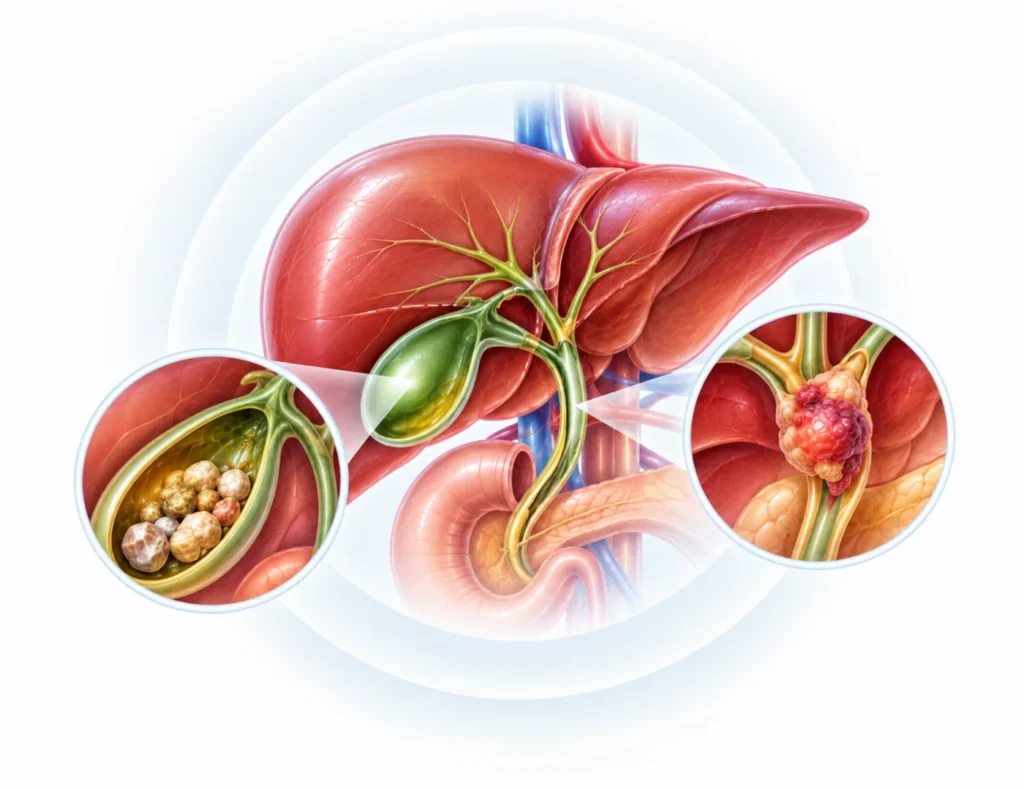
Benign & malignant diseases of the gallbladder & bile duct
The gallbladder stores bile and the bile ducts carry it from the liver to the intestine. Blockage, injury or a growth here often shows up as jaundice.
HPB surgery guide →- Gallbladder massA polyp or growth seen on ultrasound that needs assessment to rule out cancer.
- Gallbladder cancerCancer of the gallbladder – more common in parts of North and East India – sometimes found during gallstone surgery.
- Bile duct injuryDamage to the bile duct, most often during gallbladder removal, causing a bile leak or blockage.
- Biliary fistulaAn abnormal opening that lets bile leak out of the bile ducts.
- Biliary strictureA narrowing of the bile duct that blocks bile flow and causes jaundice.
- Choledochal cystA balloon-like widening of the bile duct present from birth, removed because of the risk of infection and cancer.
- Caroli’s diseaseA rare inborn condition in which the bile ducts inside the liver are widened.
- Mirizzi’s syndromeA gallstone stuck in the neck of the gallbladder, pressing on and blocking the main bile duct.
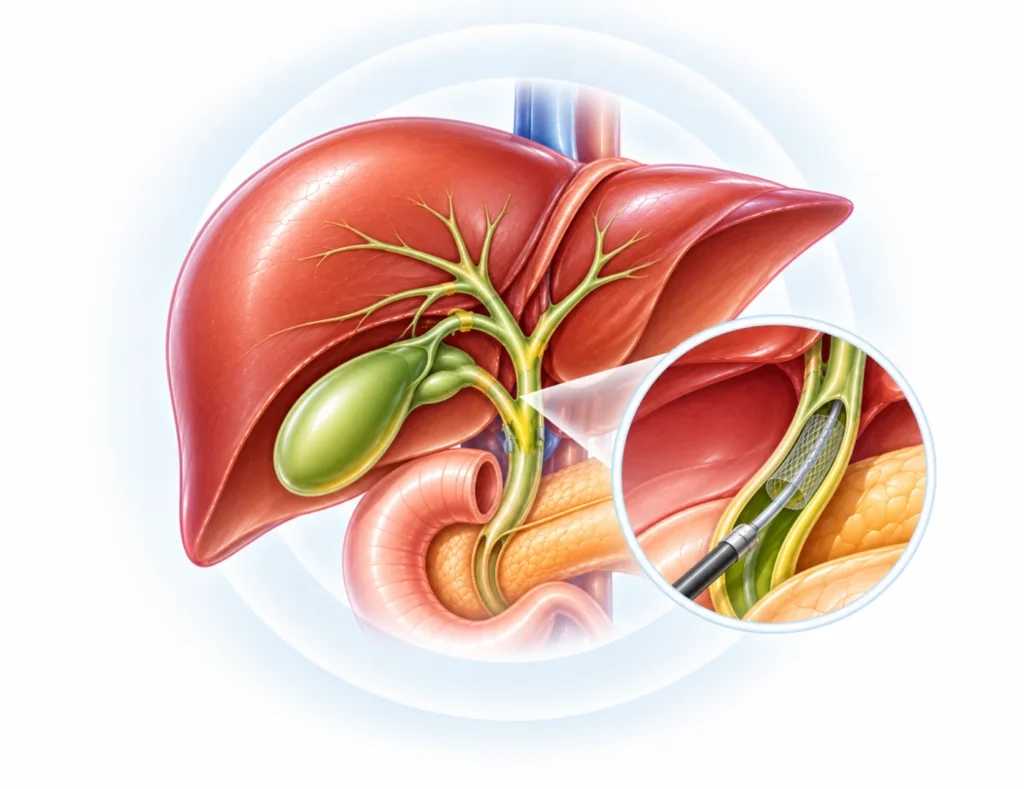
Complex gallbladder & bile duct surgeries
Operations that remove disease from the gallbladder and bile ducts, or rebuild the path bile takes into the intestine.
HPB surgery guide →- Radical cholecystectomyRemoving the gallbladder together with a rim of surrounding liver and nearby lymph nodes, for gallbladder cancer.
- Roux-en-Y hepaticojejunostomyRebuilding bile drainage by joining the bile duct to a loop of small intestine – used for strictures, injuries and choledochal cysts.
- Surgery for biliary fistulaClosing the leak and restoring normal bile flow.
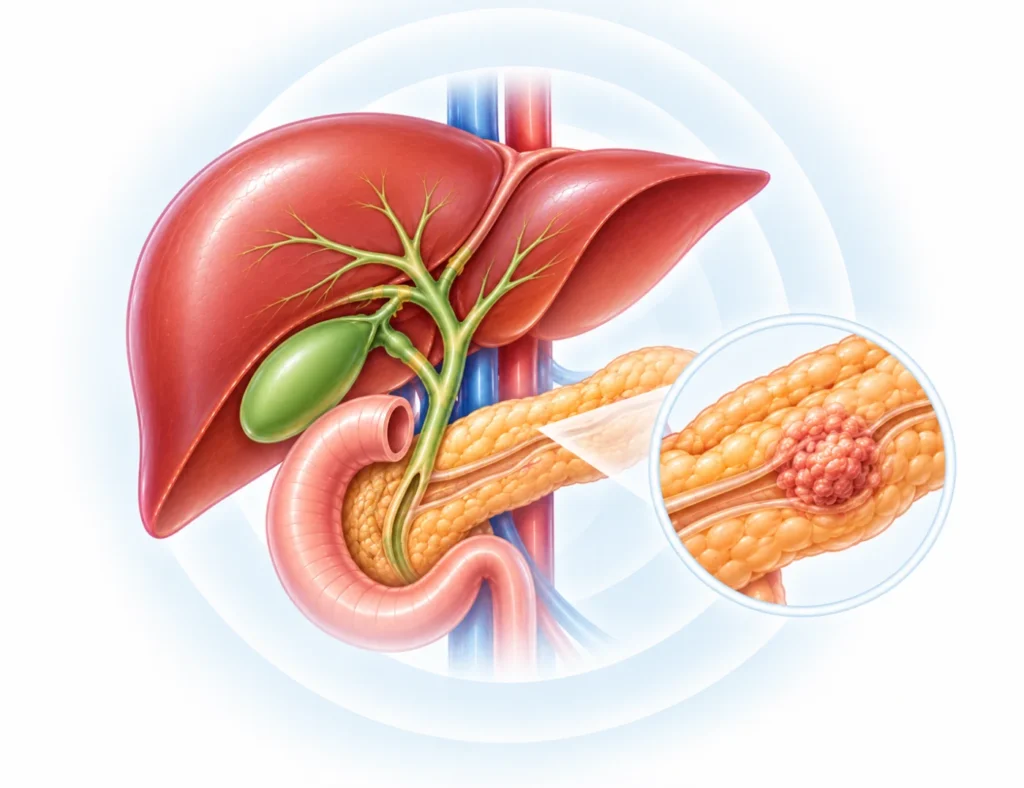
Benign & malignant diseases of the pancreas
The pancreas makes digestive juices and insulin. Inflammation, fluid collections and growths here need careful assessment by a pancreatic team.
Pancreatic surgery guide →- Chronic pancreatitisLong-term inflammation that causes pain, diabetes and poor digestion.
- Pancreatic abscessA collection of infected fluid in or around the pancreas after pancreatitis.
- PseudocystA fluid collection that can form after pancreatitis, drained if it is large or causing symptoms.
- Pancreatic cancerCancer of the pancreas. Surgery is the main treatment when the cancer can be removed.
- Cystic neoplasm of the pancreasFluid-filled growths, some of which can turn cancerous and need removal.
- Pancreatic traumaInjury to the pancreas after an accident or a blow to the abdomen.
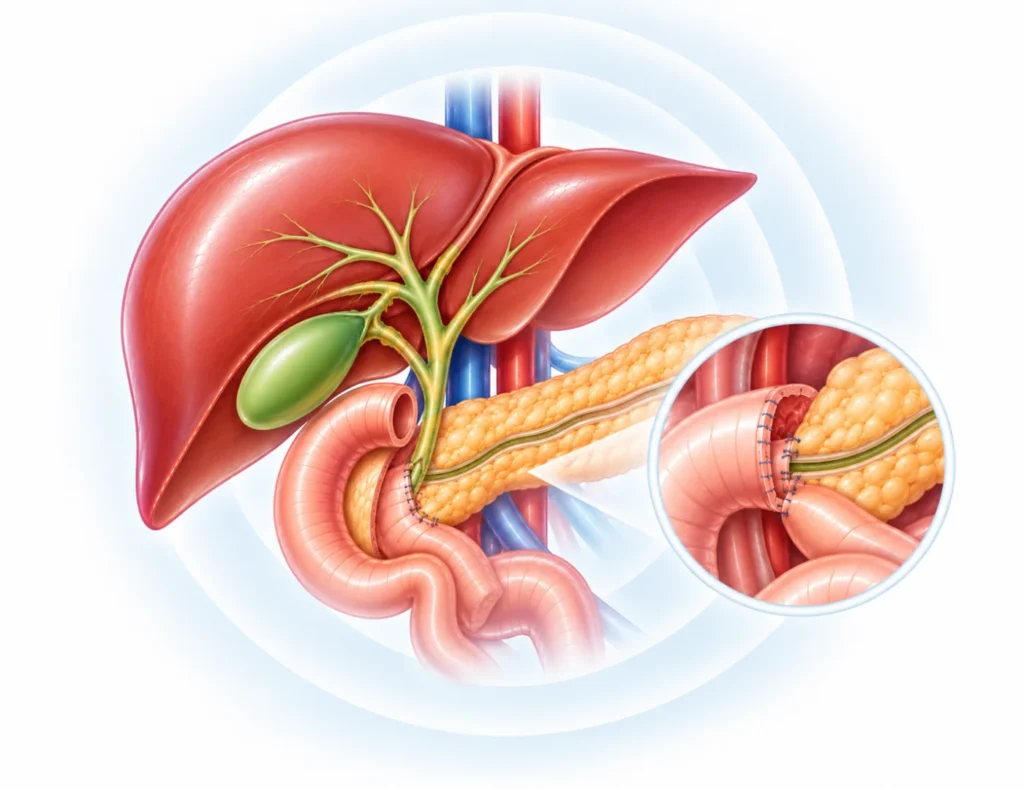
Complex pancreatic surgeries
Pancreatic operations are among the most technically demanding in abdominal surgery and are planned around the exact location of the disease.
Pancreatic surgery guide →- Whipple’s procedure (pancreaticoduodenectomy)Removing the head of the pancreas, the duodenum, the lower bile duct and the gallbladder, then reconnecting the digestive tract.
- Pylorus-preserving pancreaticoduodenectomyA version of the Whipple operation that keeps the outlet of the stomach (pylorus).
- Distal pancreatectomyRemoving the body and tail of the pancreas, sometimes together with the spleen.
- Central / median pancreatectomyRemoving only the middle part of the pancreas for selected small tumours, preserving more pancreatic function.
- Lateral pancreaticojejunostomyOpening a blocked pancreatic duct and draining it into the intestine to relieve chronic pancreatitis pain.
- Frey’s procedureCoring out the head of the pancreas combined with duct drainage, for chronic pancreatitis.
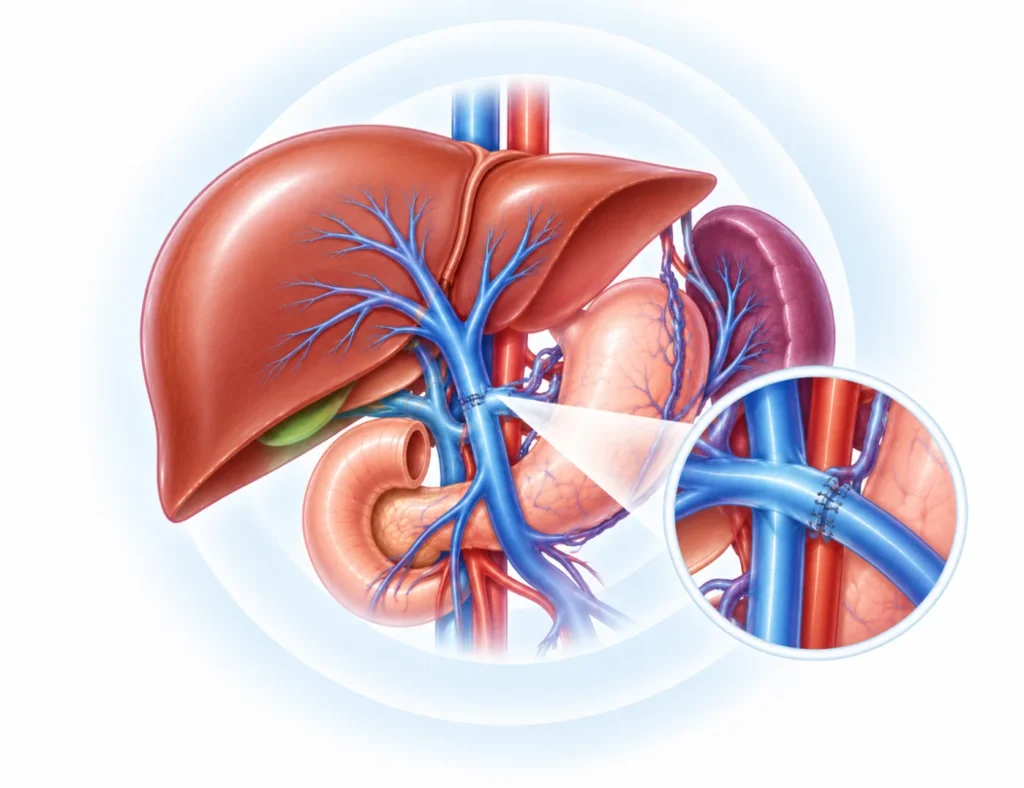
Surgery for portal hypertension
High pressure in the portal vein – which carries blood from the gut to the liver – causes bleeding varices and an enlarged spleen. Surgery lowers the pressure or removes the source of bleeding.
Warning signs article →- Variceal bleedingBleeding from swollen veins in the food pipe or stomach – a medical emergency.
- HypersplenismAn enlarged, overactive spleen that lowers blood counts.
- Non-cirrhotic portal fibrosis (NCPF)Raised portal pressure with a near-normal liver, seen more often in India.
- Extrahepatic portal vein obstruction (EHPVO)A blocked portal vein outside the liver – a common cause of variceal bleeding in children and young adults.
- Portal biliopathyNarrowing of the bile duct caused by swollen veins around it, usually in EHPVO.
- Porto-caval / meso-caval shuntSurgically connecting the high-pressure portal system to the low-pressure inferior vena cava.
- Spleno-renal (lieno-renal) shuntJoining the splenic vein to the left kidney vein to lower portal pressure.
- Splenectomy & devascularisationRemoving the spleen and disconnecting the veins that feed the varices.
Have reports or scans to share?
Send them on WhatsApp or call the clinic. OPD at Lilavati Hospital & Research Centre, Bandra (W), Mumbai – Monday to Saturday, 9:00 AM – 4:00 PM.